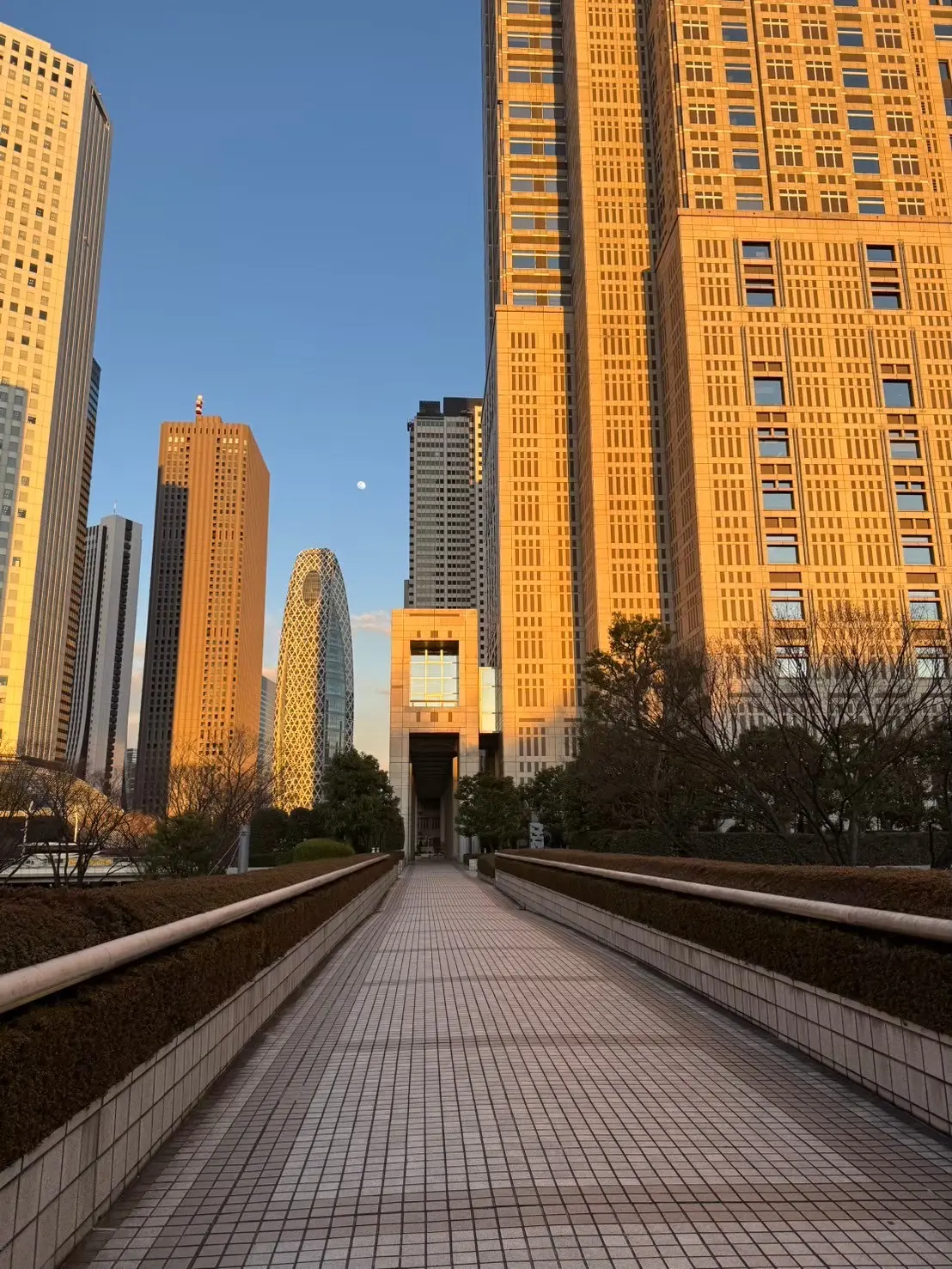
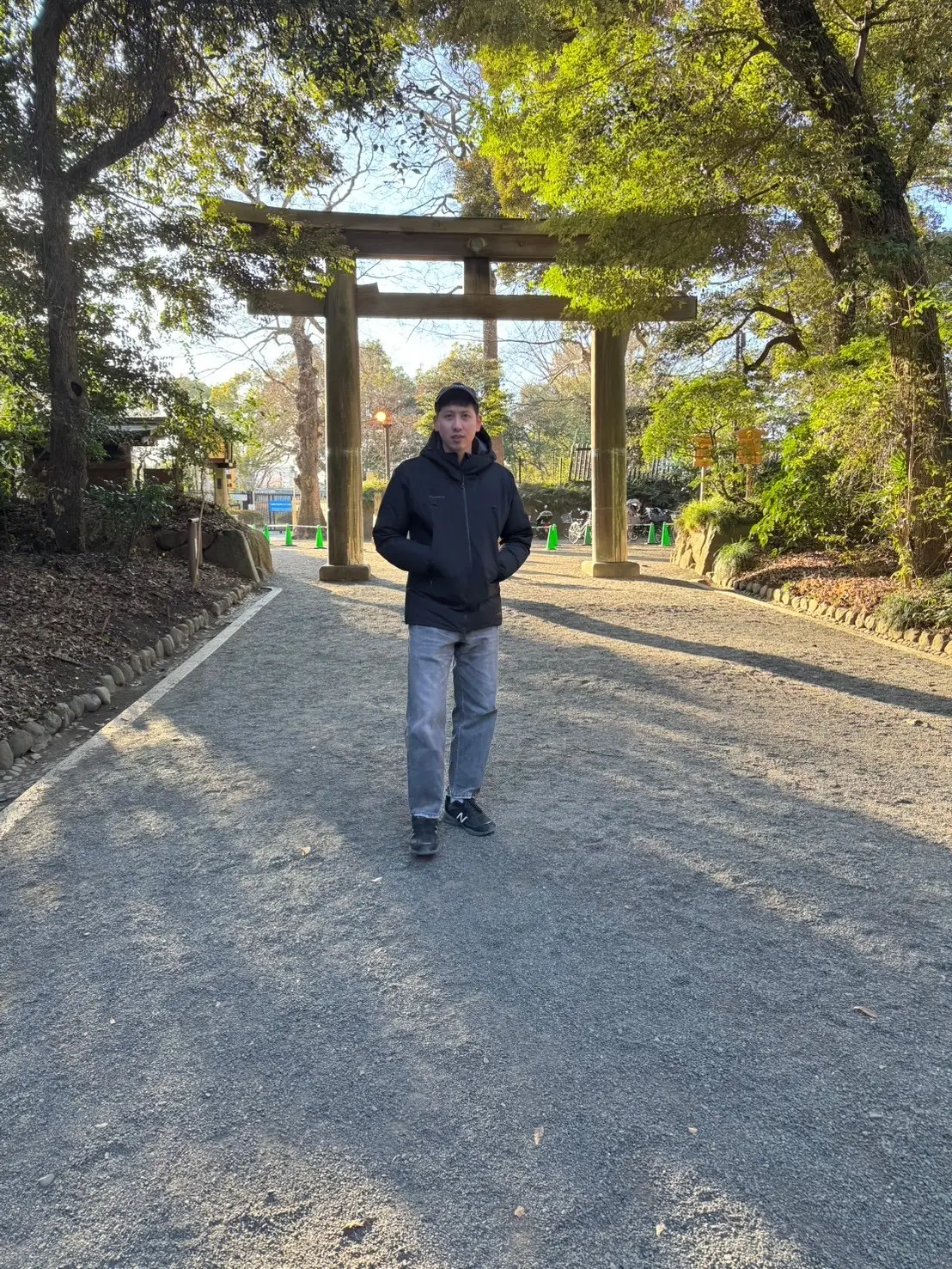
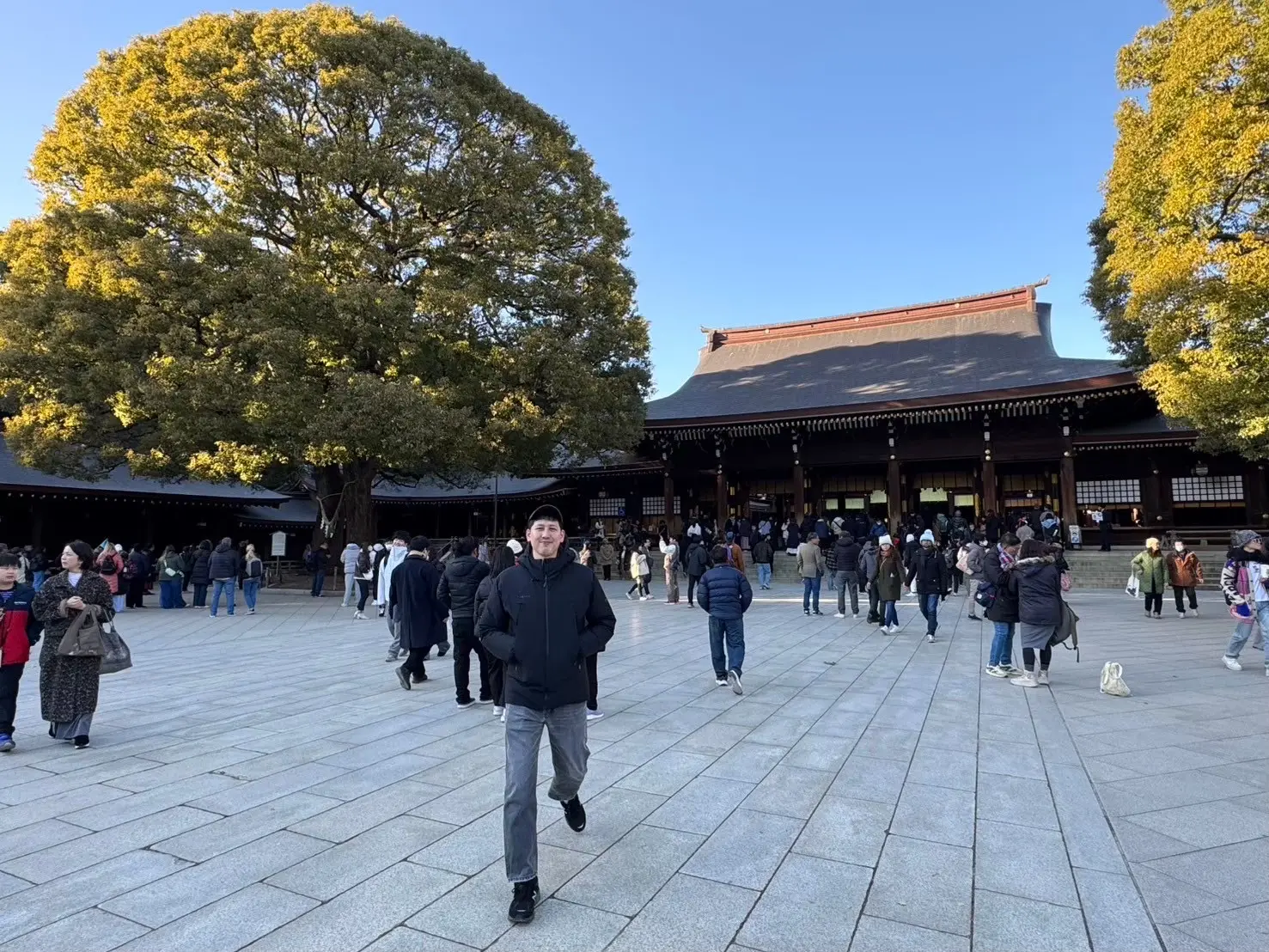
Day 1 · Begin in Meiji Jingu’s forest
A broad gravel approach, heavy timber gates and a canopy of trees make a strong opening to Tokyo. Start from Harajuku or Meiji-jingumae and allow roughly 60–90 minutes for the approach and shrine grounds. That is our planning allowance, not a prescribed visit length.
The walk is part of the attraction. Gravel and distance can affect comfort, so check the official access information if you need a step-free or shorter route. Follow photography signs and give worshippers space around the sanctuary. To walk without carrying your bags, check nearby staffed storage locations with Radical Storage, including opening hours and collection times. Affiliate links: I may earn a commission if you book, at no extra cost to you.
Shinjuku: architecture with a sense of humour
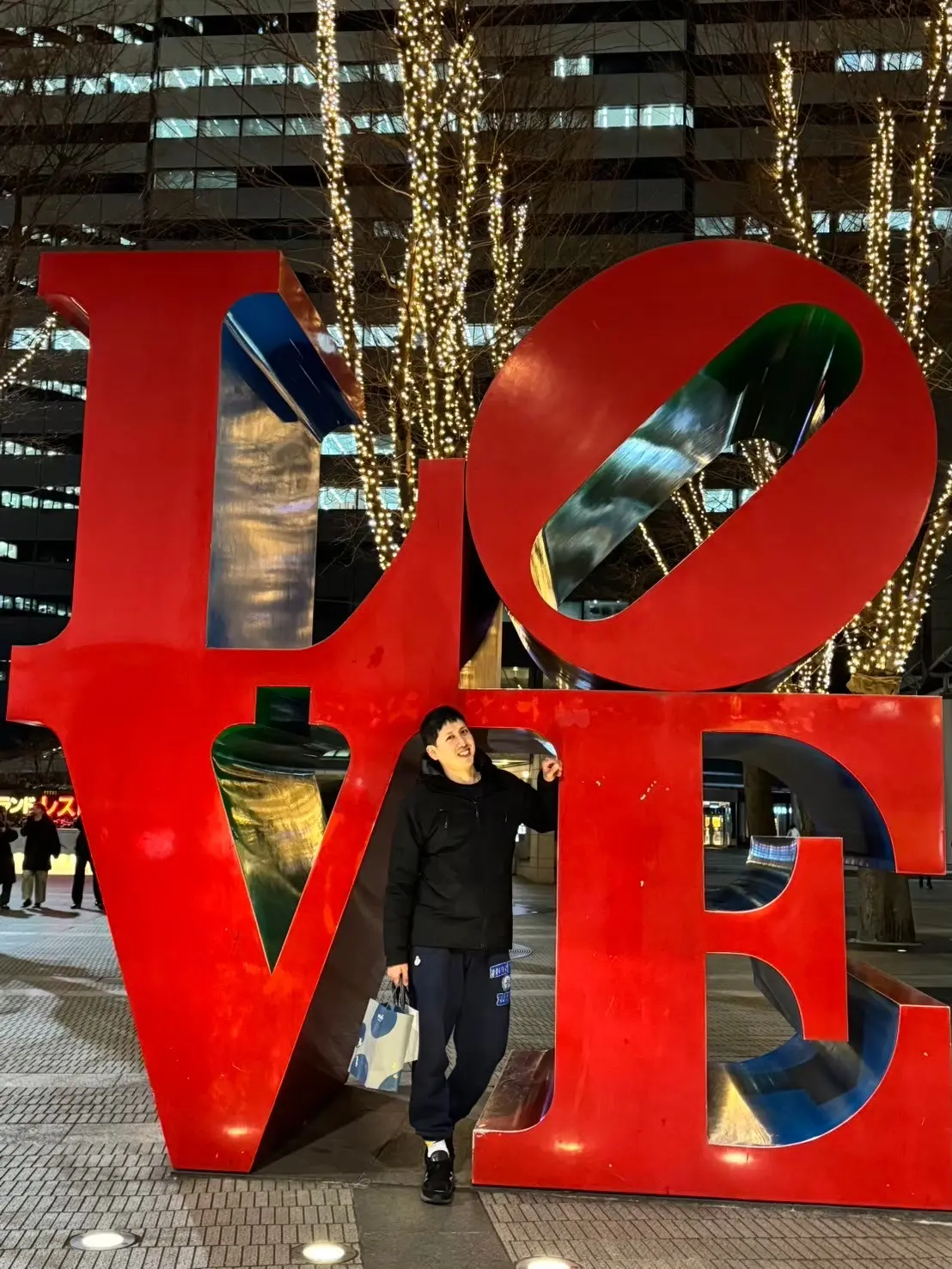
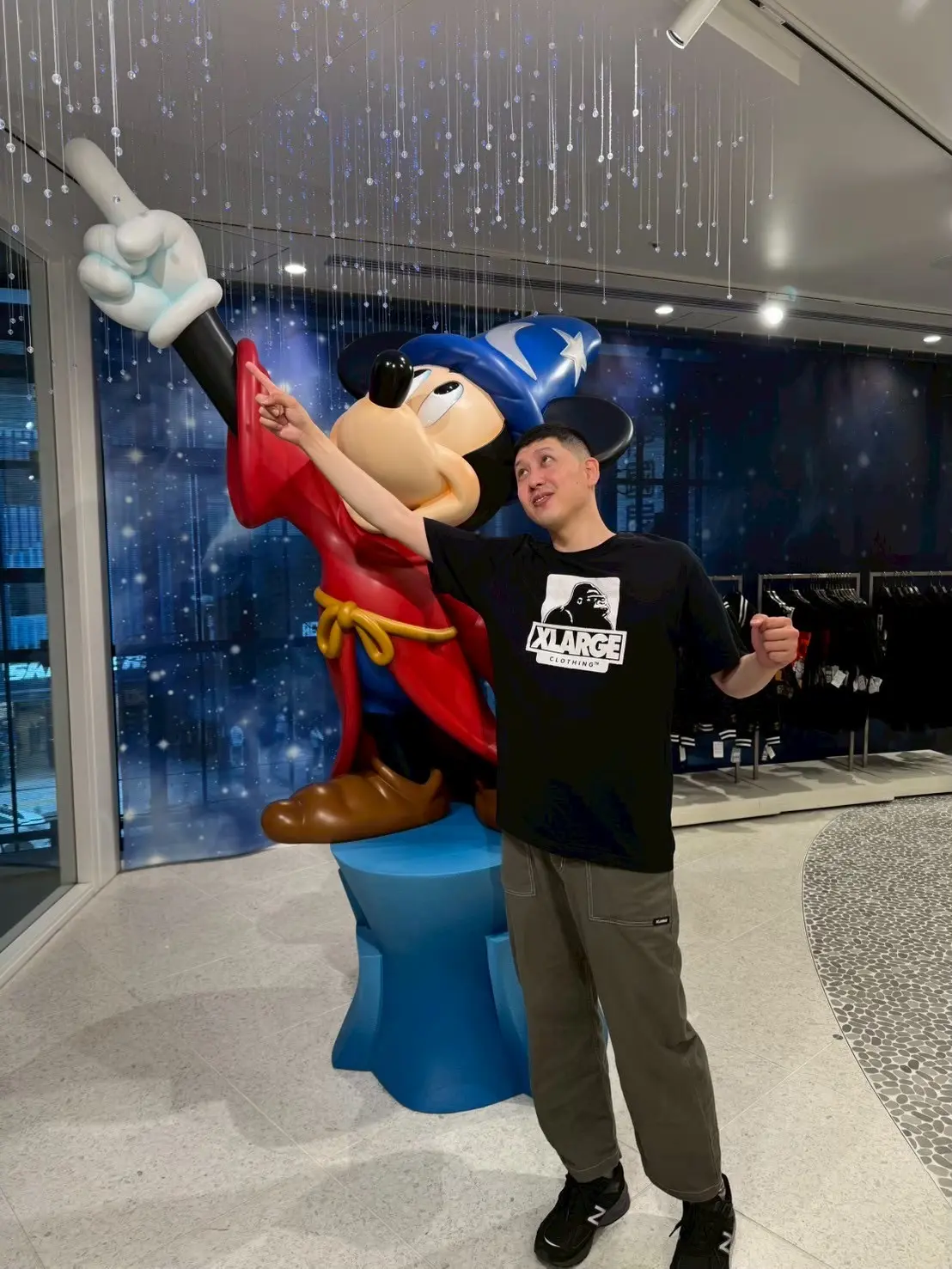
In Shinjuku, I posed beside the red LOVE sculpture and with a character at Disney Flagship Tokyo. The western towers and the eastern shopping streets give those stops very different settings. After Meiji Jingu, I would group them into an afternoon rather than add another distant district.
Allow an afternoon with a meal break. Pick the side of the station that matches your first stop before leaving the gates. Shopping can absorb the rest of the day, so a second distant district is optional.
Optional · The Samoyed café
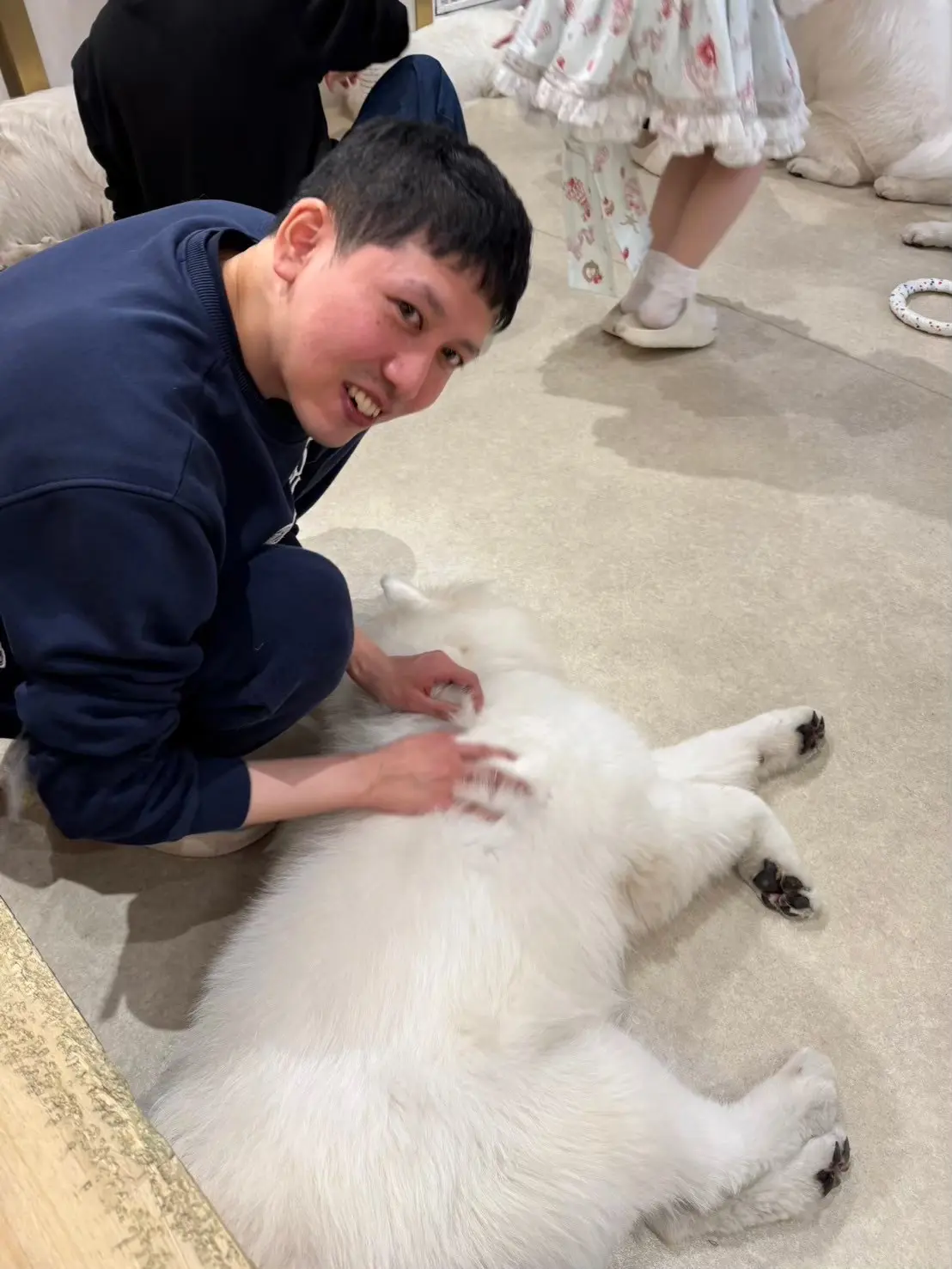
I spent time with the white dogs at a Samoyed café. I have not confirmed the exact business, so I am keeping it as an optional experience rather than pinning it to the Shinjuku route or recommending an operator.
If you choose a café, check its location, reservation terms, session length and animal-care rules. Let resting dogs rest and follow staff instructions. Fit the visit around a suitable booking rather than treating it as an automatic stop between landmarks.
Day 2 · Give Ueno one clear priority
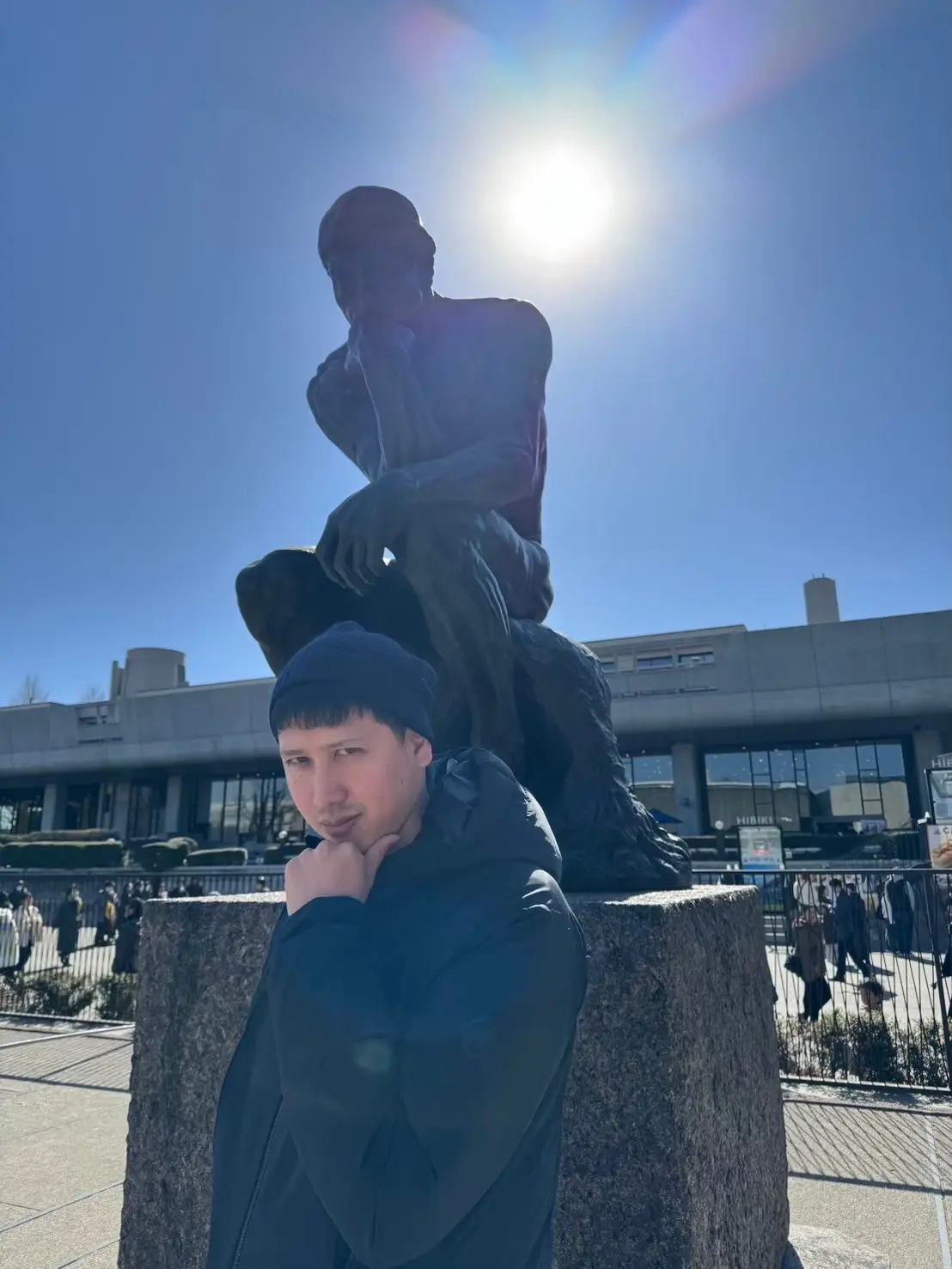
Outside the National Museum of Western Art, I joined Rodin's The Thinker for a pose of my own. For this suggested day, I would choose one Ueno museum instead of trying to fit several in before Asakusa. The art deserves time beyond the photograph outside.
Choose one museum and allow around two hours, adjusting for the exhibition you want. Check its calendar before setting the order of your days. If art is the priority, give it the morning and shorten the later shopping stops.
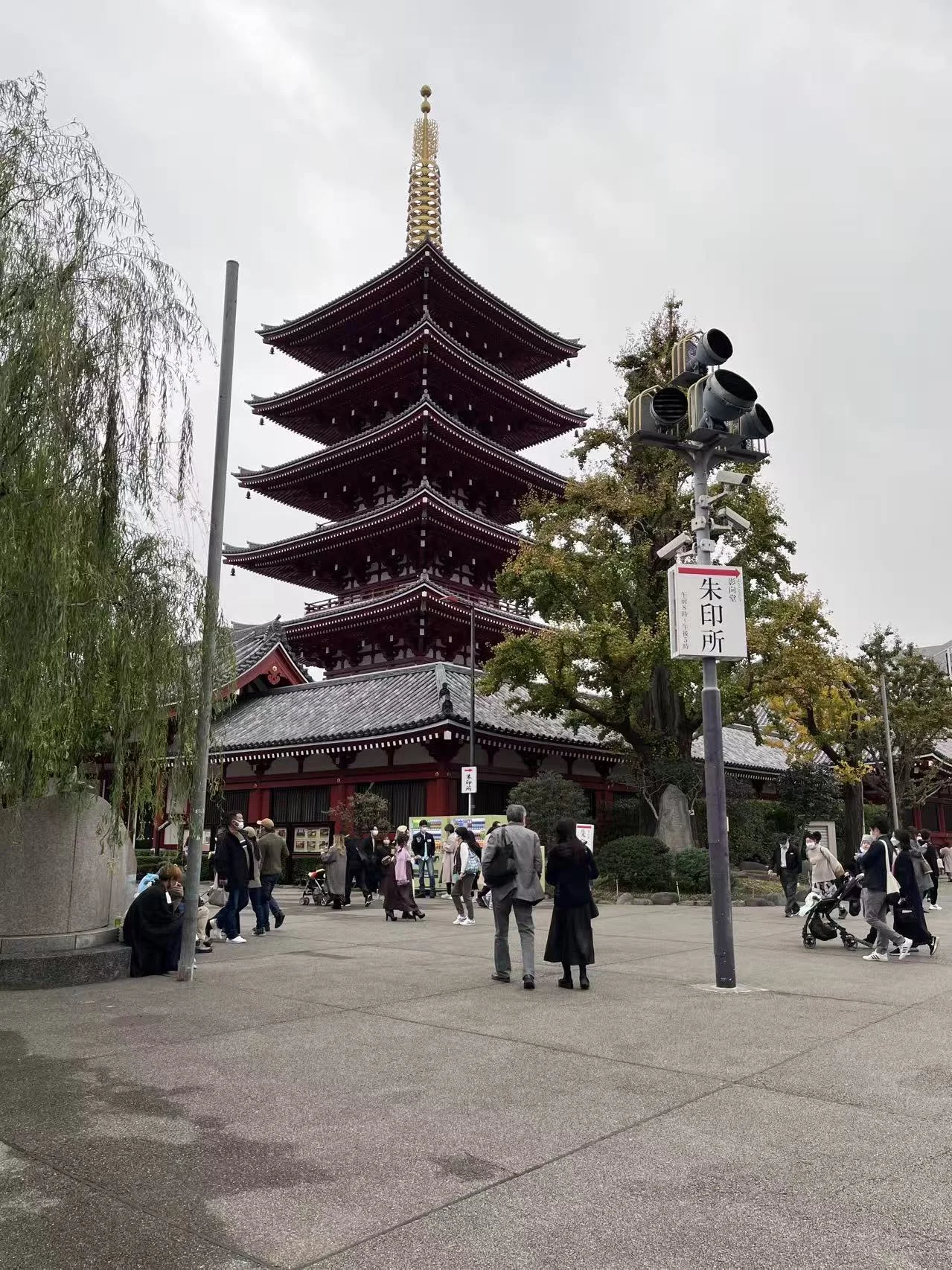
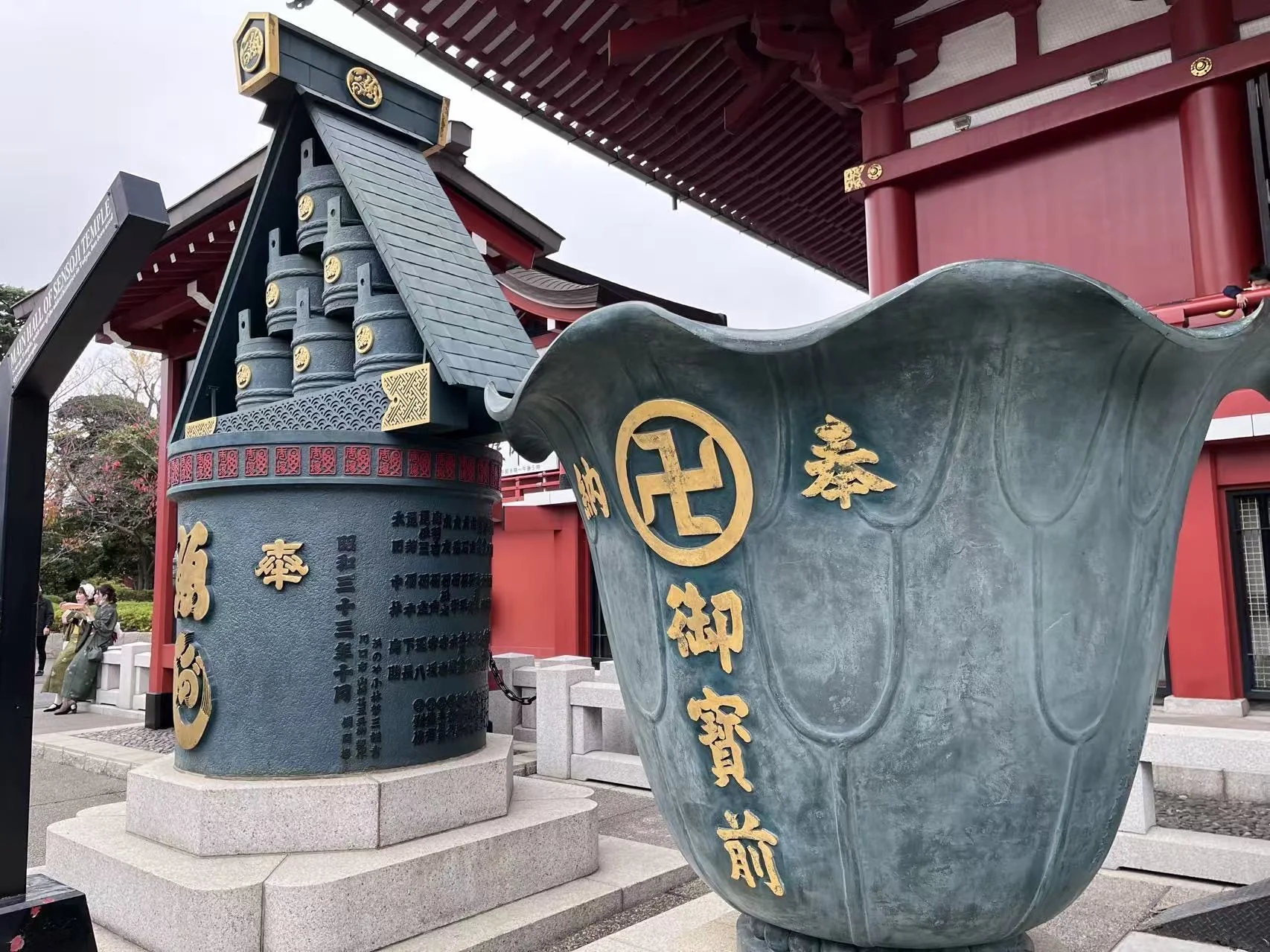
Sensō-ji: follow the scale, then the details
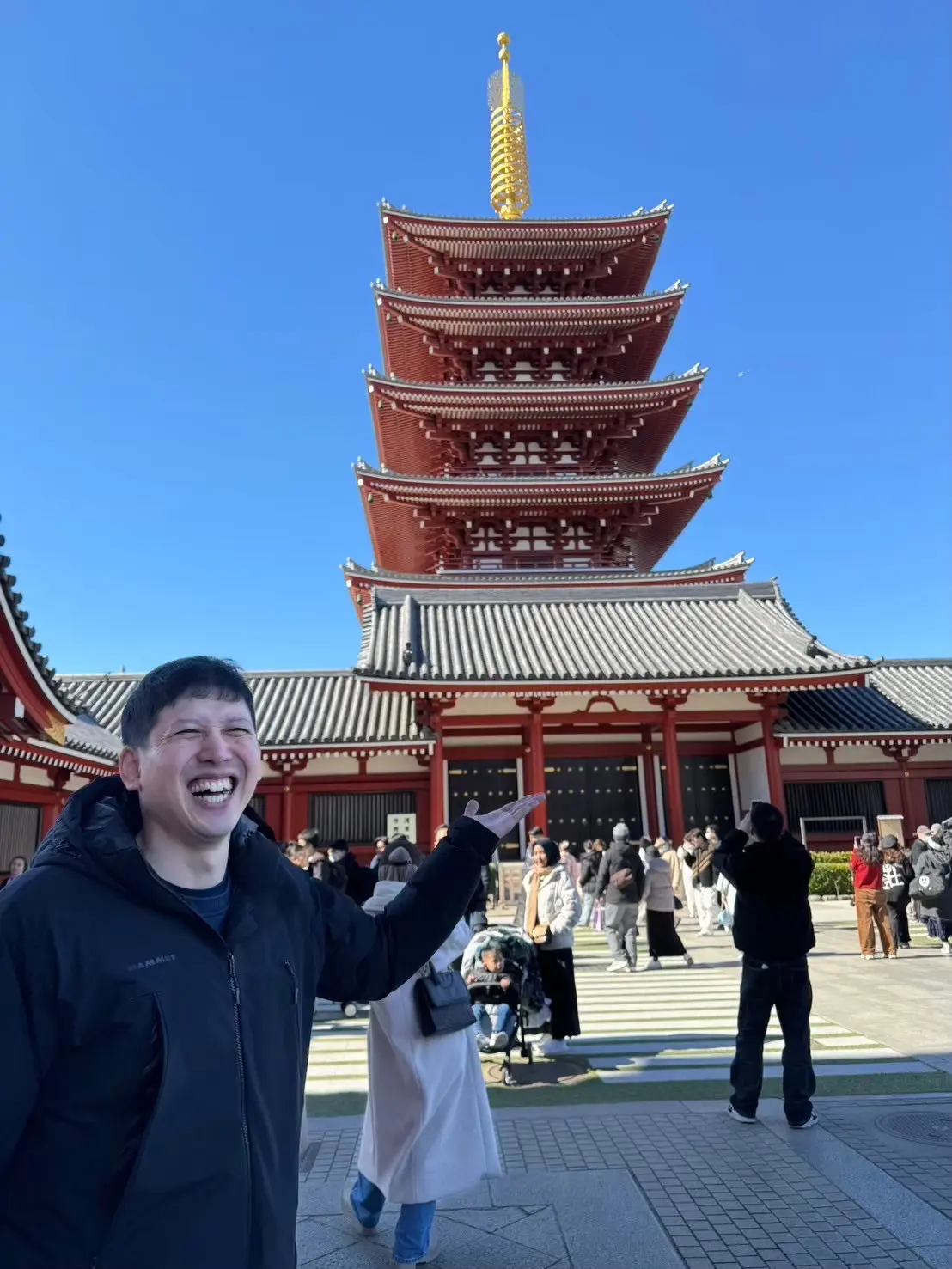
Sensō-ji offers both the broad scene of a five-story pagoda and the close detail of bronze vessels, inscriptions and red timber. Follow the main approach, then spend time around the courtyard instead of ending the visit after one photograph.
Allow roughly 90 minutes to two hours for the temple area and nearby streets, including a snack. Nakamise’s shops and the temple have their own schedules: an early visit may offer a different experience from a shopping-focused afternoon. Keep entrances and worshippers’ routes clear.
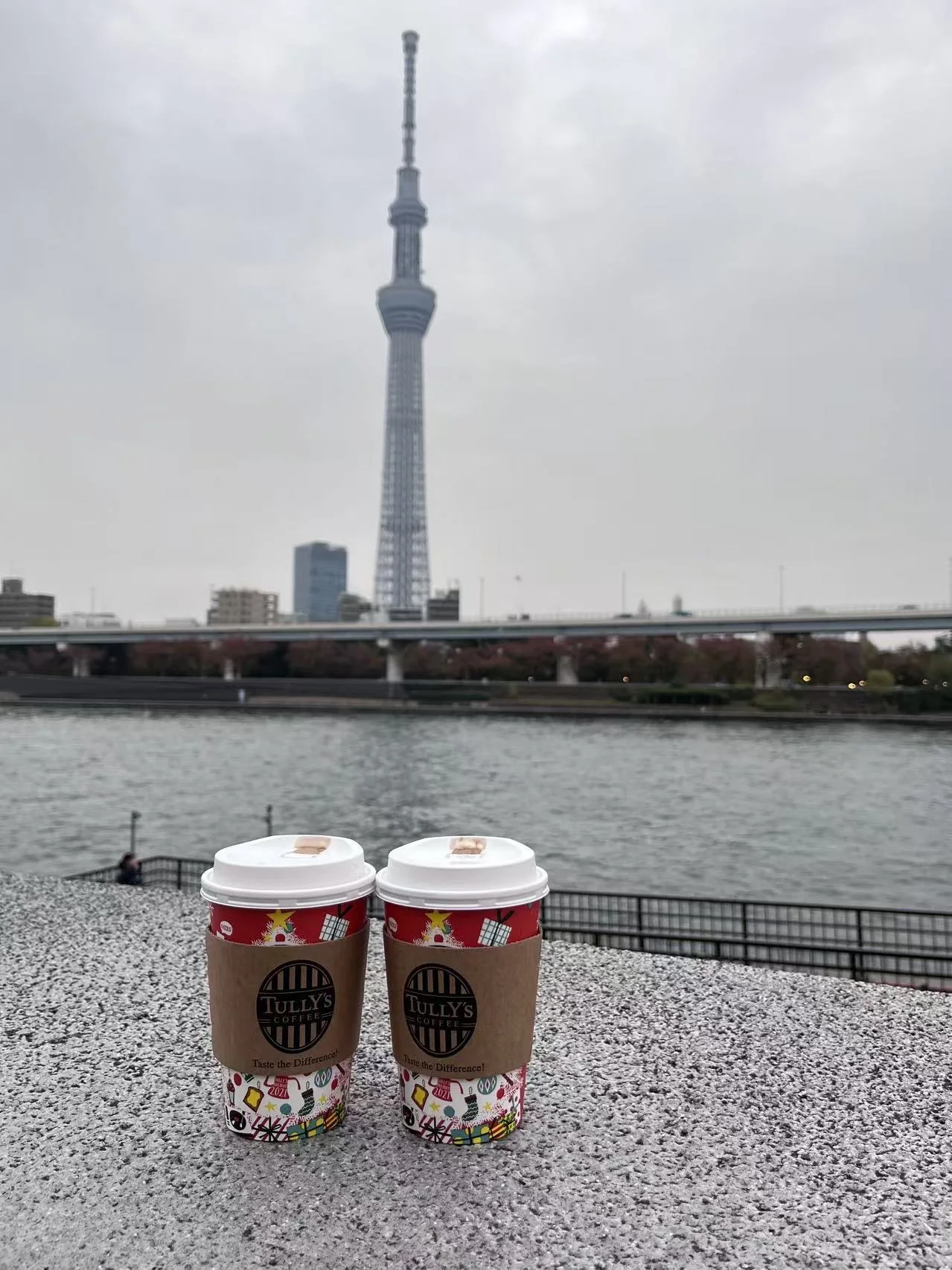
The Sumida River makes the transfer worthwhile
I paused beside the Sumida River with takeaway coffee from Tully’s Coffee and Tokyo Skytree across the water. The two cups in my photograph put a small, everyday moment alongside one of Tokyo’s biggest landmarks. I would leave room for this riverside break between Asakusa and the tower.
Allow about 30–45 minutes for a direct walk from the temple area toward Skytree, plus time for the river stop. This is a planning estimate; crossings and detours change it. Use rail instead in heavy rain, summer heat or when your feet have had enough.
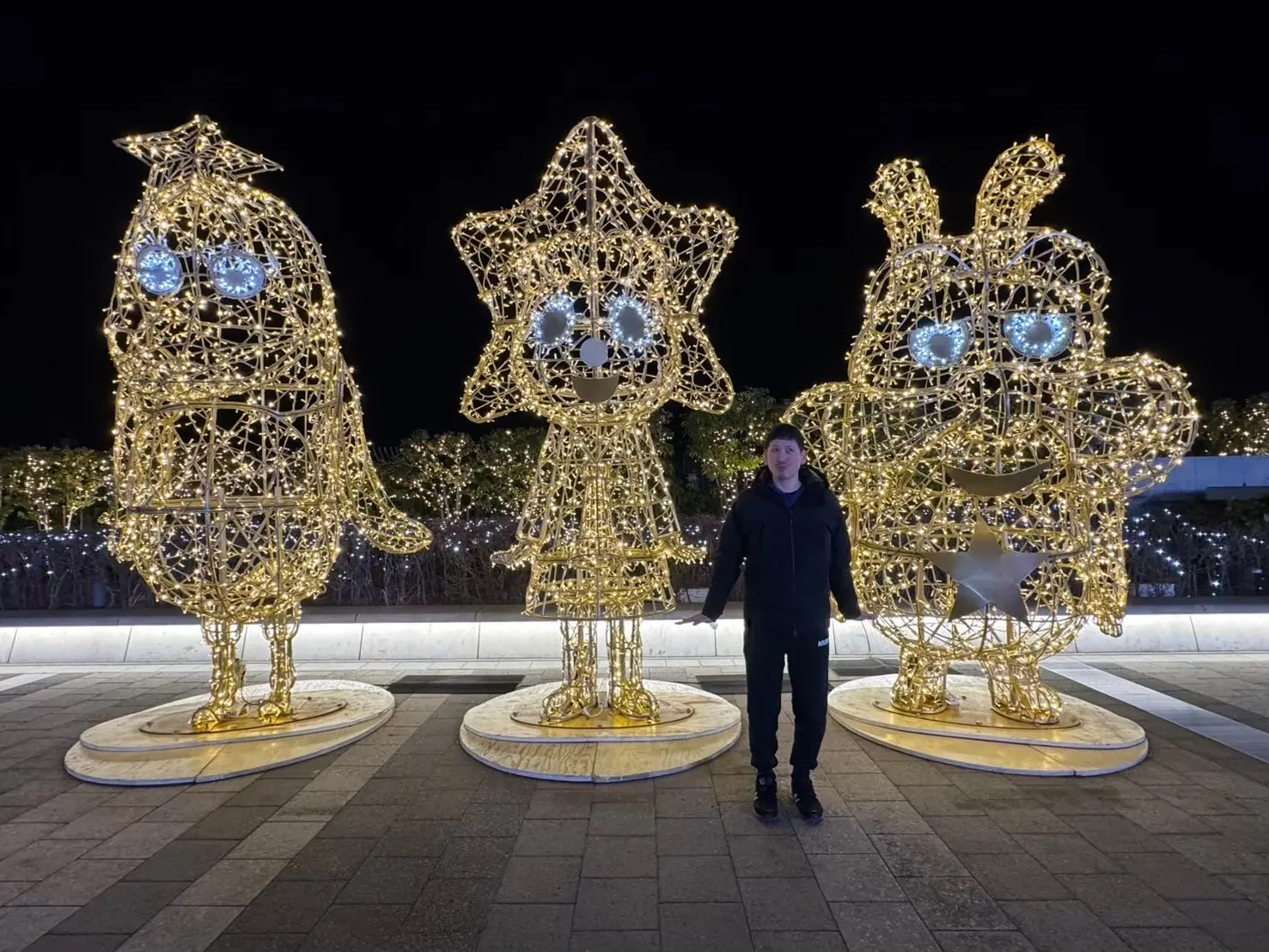
Choose how you want to experience Skytree
There are two sensible versions of this stop: buy an observation-deck ticket for the high panorama, or enjoy the tower, shops and outdoor spaces from ground level. Choose according to the weather, your budget and how much of the city you have already seen from above.
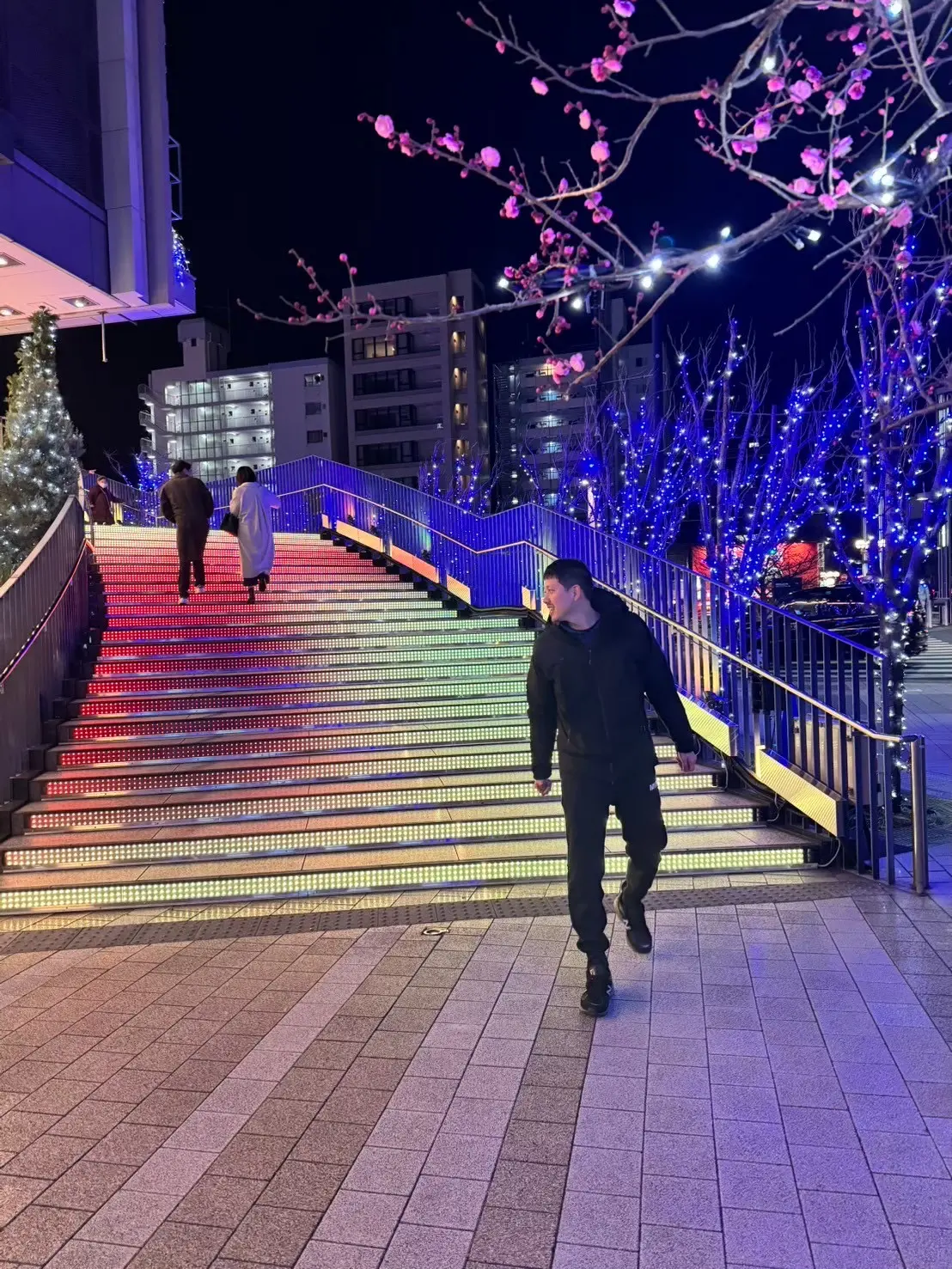
If the deck is a priority, check official tickets and entry times before arriving. The illuminated characters and coloured steps in my photographs are seasonal displays; they are not a promise of the same installation on your visit.
Day 3 · Put Toyosu on the menu
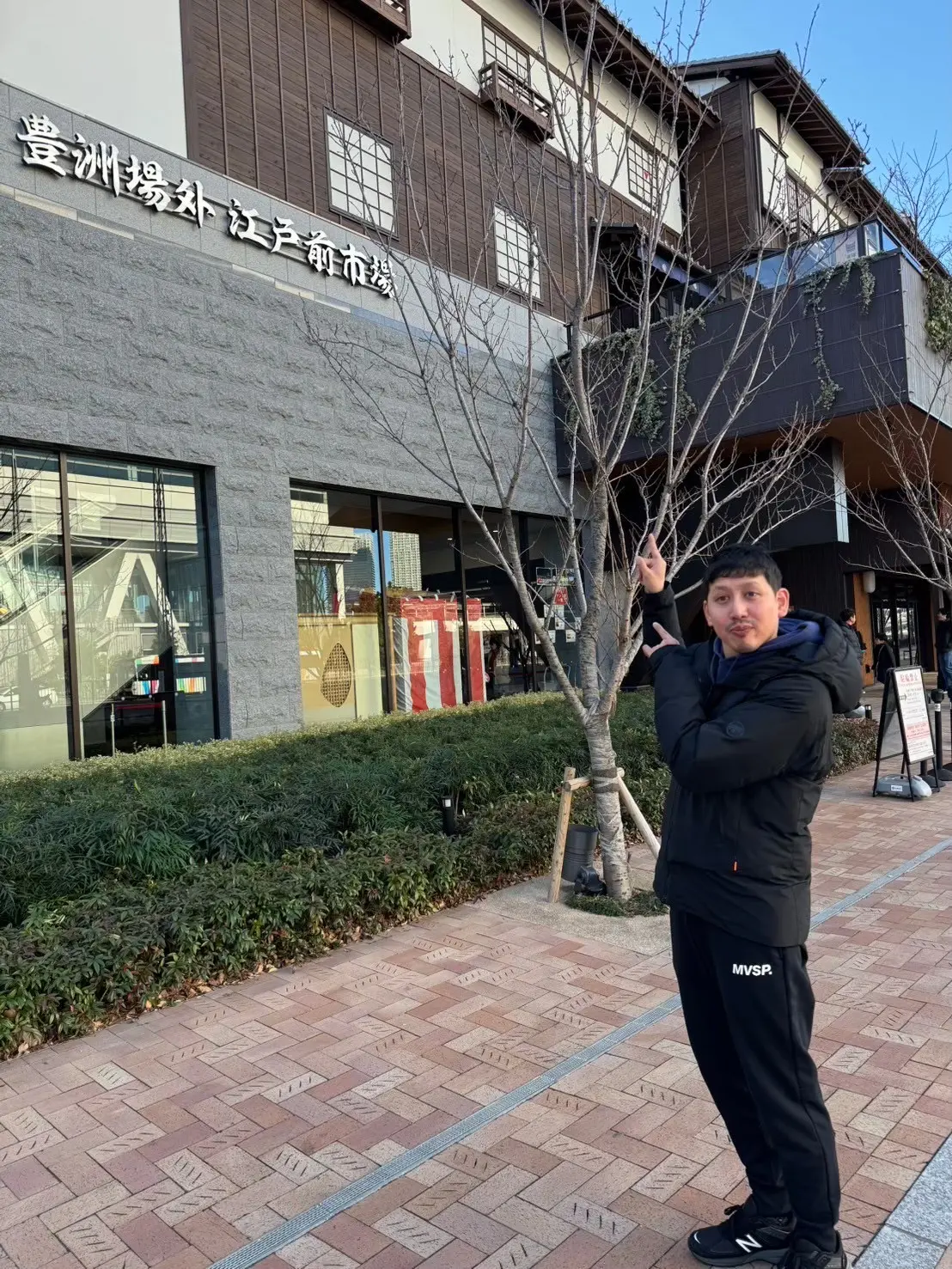
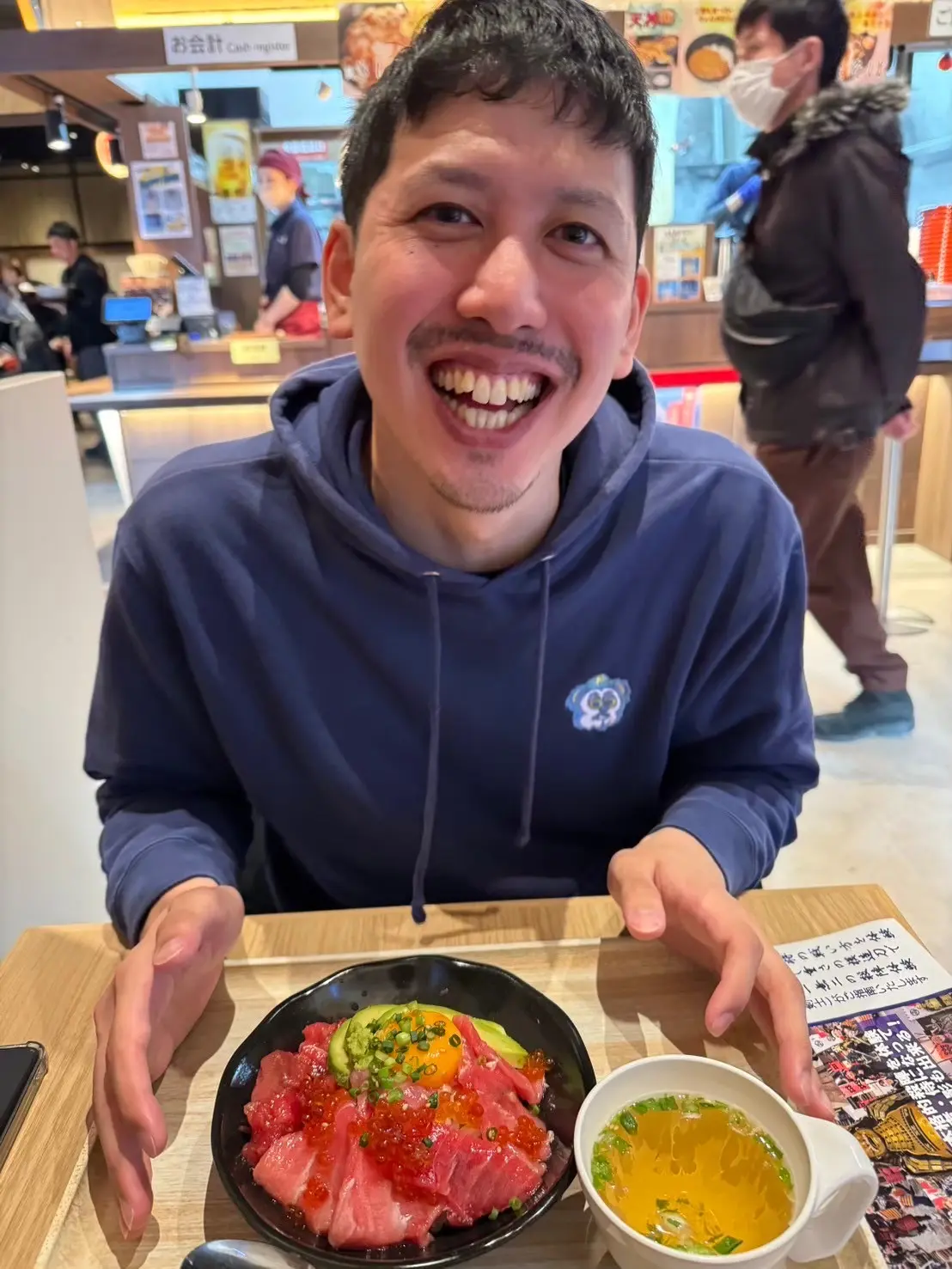
At Toyosu Senkyaku Banrai, my food stop included a seafood bowl in an Edo-inspired setting beside the market district. I would arrive with room for a meal, then compare the displayed menus and portions before choosing. This is a modern food-and-shopping complex, rather than a surviving Edo-period street.
Allow 90 minutes to two hours for a meal and a browse. Entry to the shopping complex is free; food and the separate Manyo Club bathing facility cost extra. Opening times vary by business, so check the restaurant you want rather than assuming every counter serves breakfast.
Azabu-Juban: leave room for taiyaki
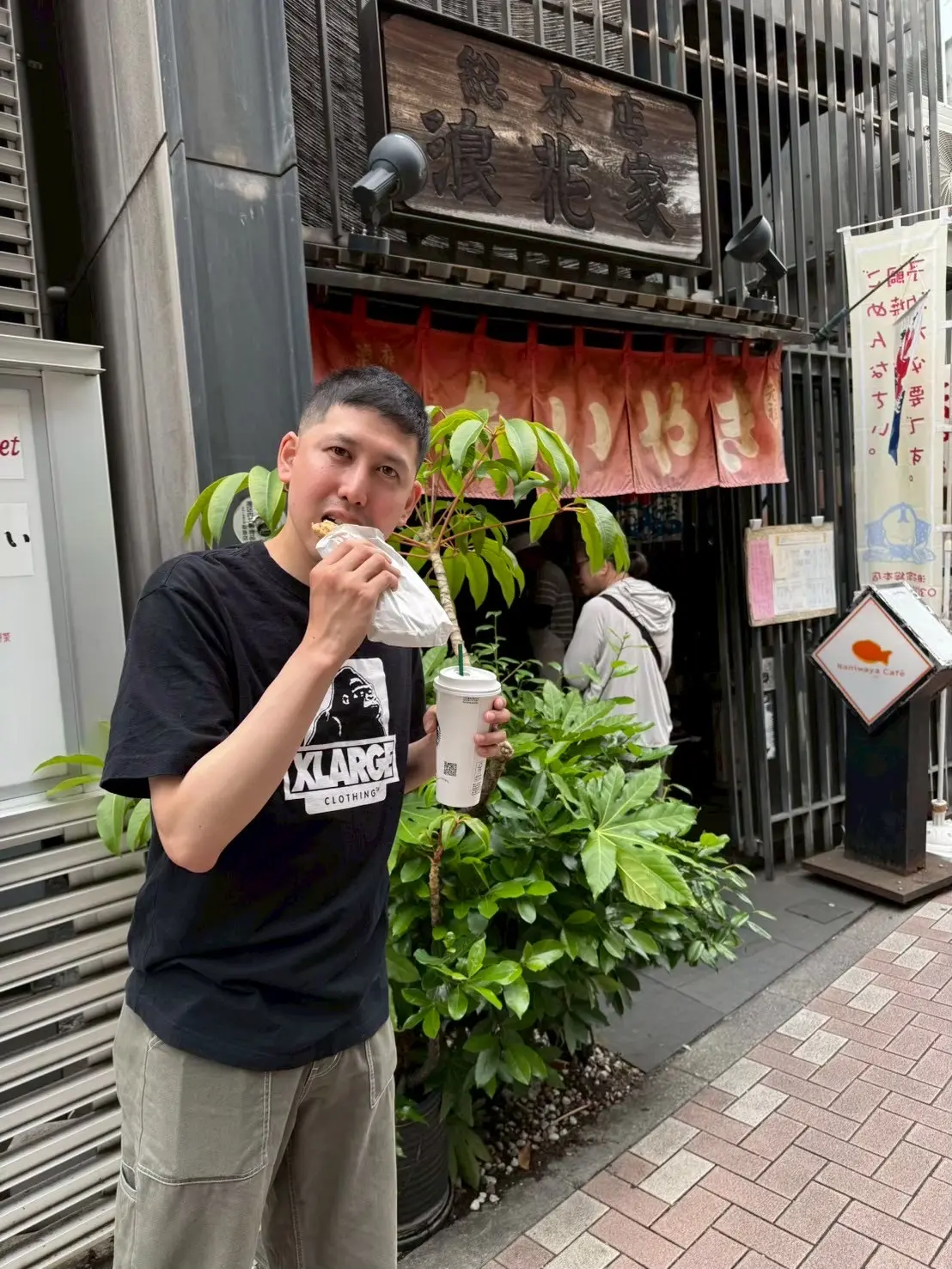
I stopped at Naniwaya Sohonten in Azabu-Juban for taiyaki, the fish-shaped sweet associated with the neighbourhood. To link it with Toyosu in this suggested day, I would use the train. The route is not one continuous waterfront walk.
Keep this as a flexible snack stop before Tokyo Tower. Check opening information and leave a buffer for a queue. If your Toyosu lunch runs late, shorten the shopping or skip the detour rather than rushing the evening.
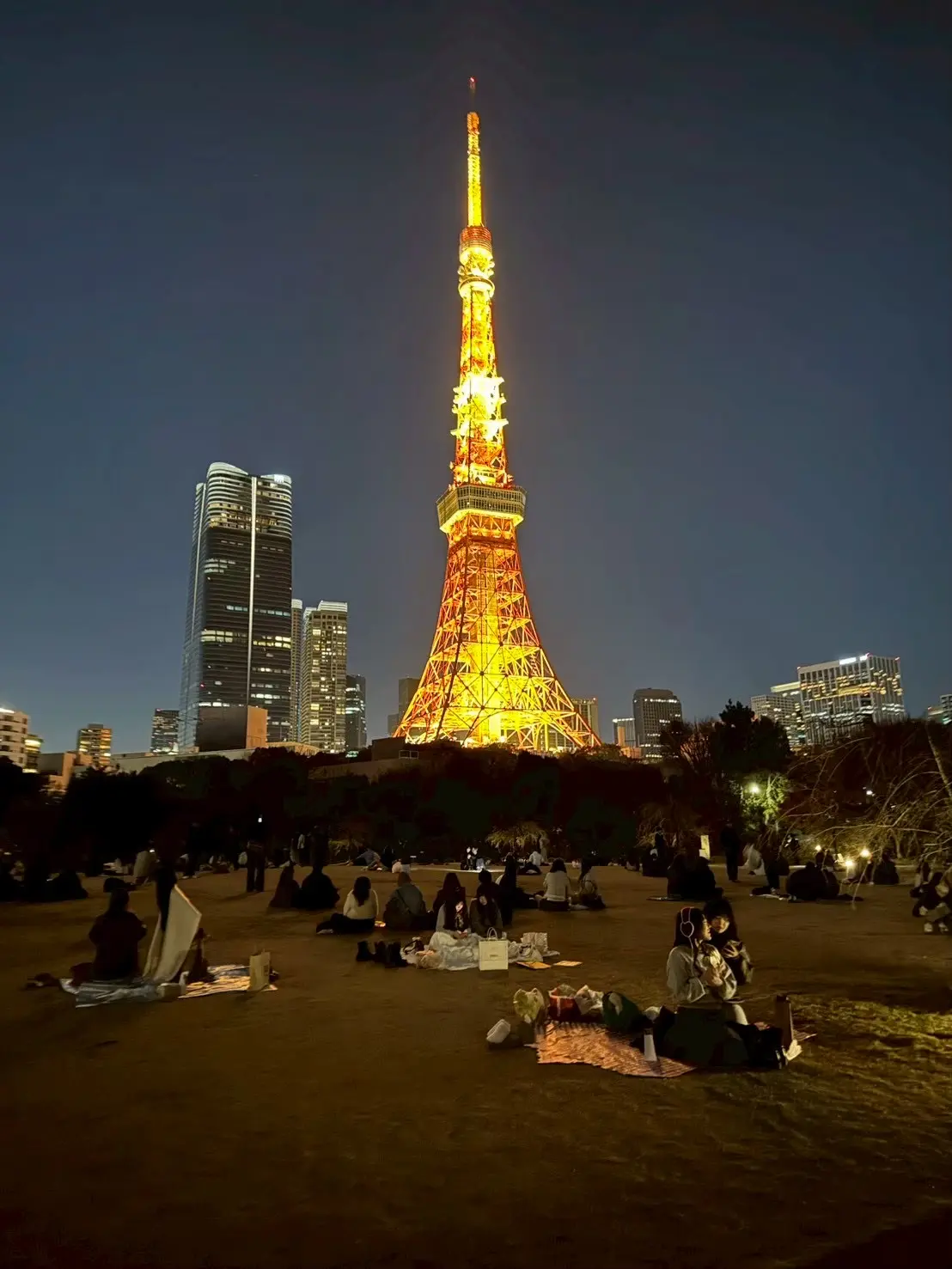
Tokyo Tower from Shiba Park
The appeal here is the relationship between the tower and the city around it: an orange landmark rising above people sitting on the grass. Shiba Park gives the evening a place to settle after a day of meals and transfers.
Arrive before your preferred evening light and decide whether another observation deck adds enough to justify its ticket. On a tighter budget, prioritising one paid tower and viewing the other from outside is a sensible choice. Check park notices and take your litter with you.
Alternative half-day · Marunouchi and the Imperial Palace
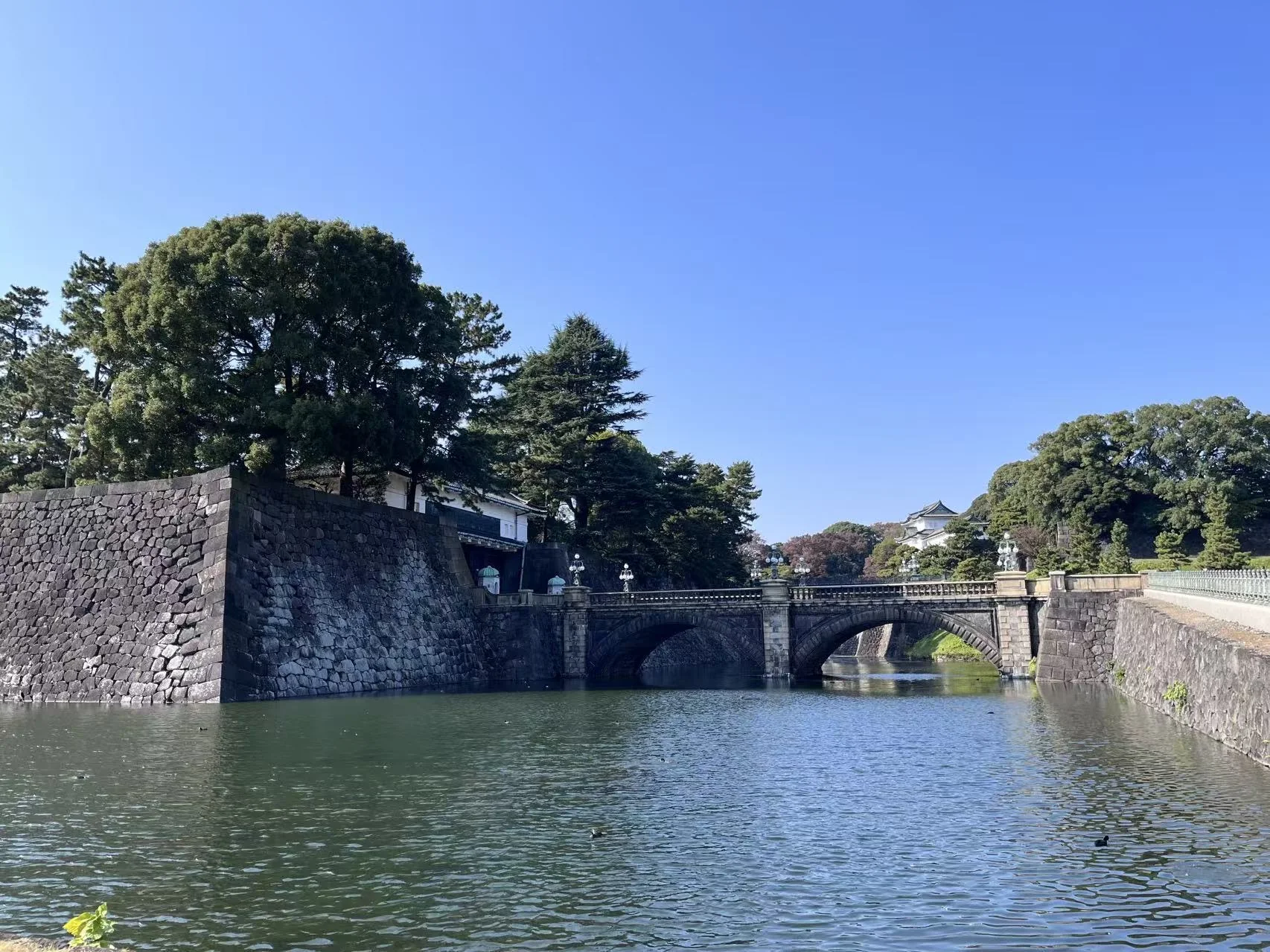
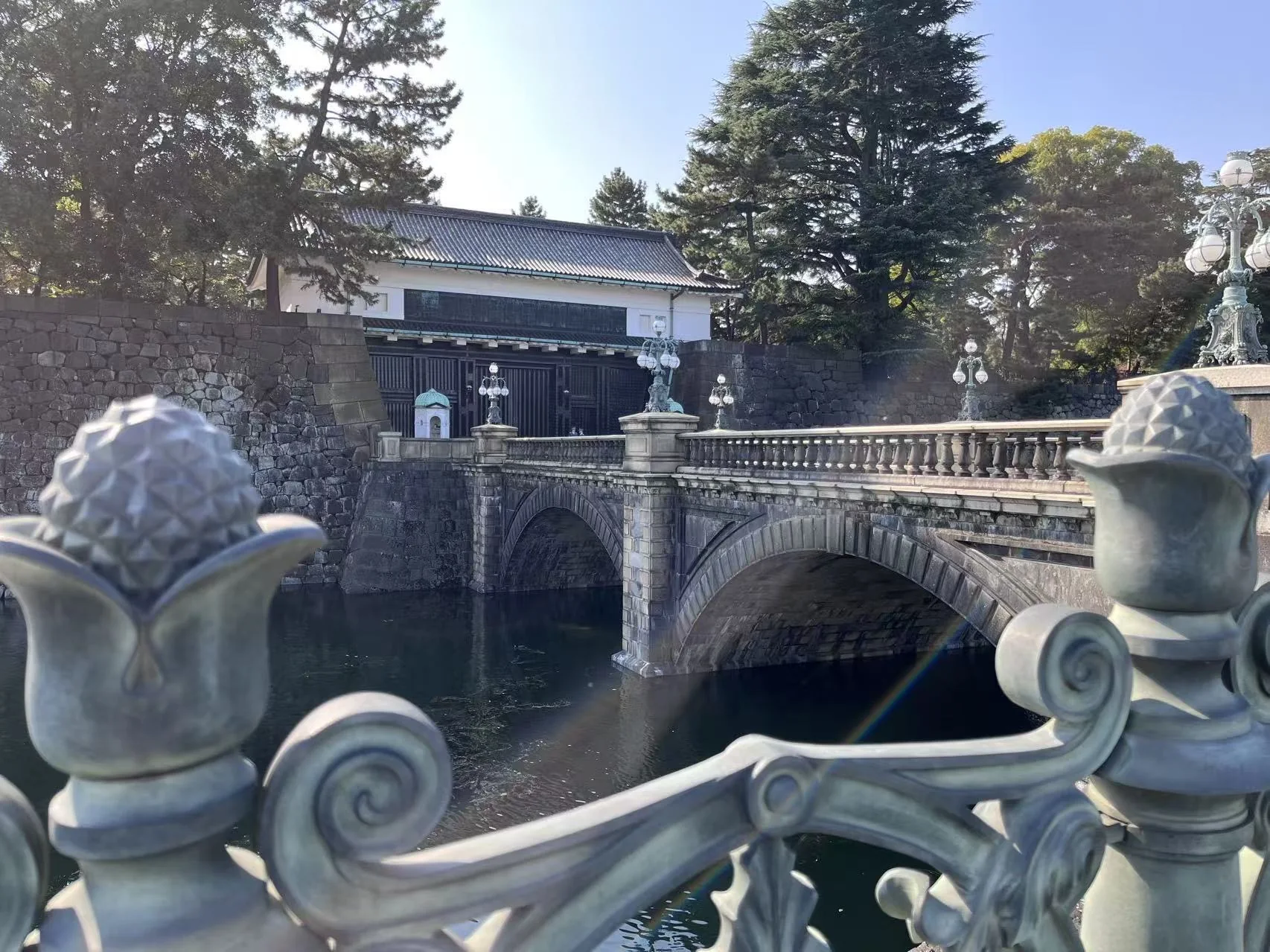
Use this as a swap or an extra half-day, paired with Tokyo Station and Marunouchi. The photographs show Seimon Ishibashi, the Main Gate Stone Bridge; the iron bridge farther inside is formally called Nijubashi. The close view of the railing is a different perspective on the same palace approach.
The public outer grounds, East Gardens and guided palace visits have different access arrangements. A walk outside does not include entry through the palace gates. Check the Imperial Household Agency’s visitor information before building a day around a particular area.
End in Shiodome, with the bay beyond
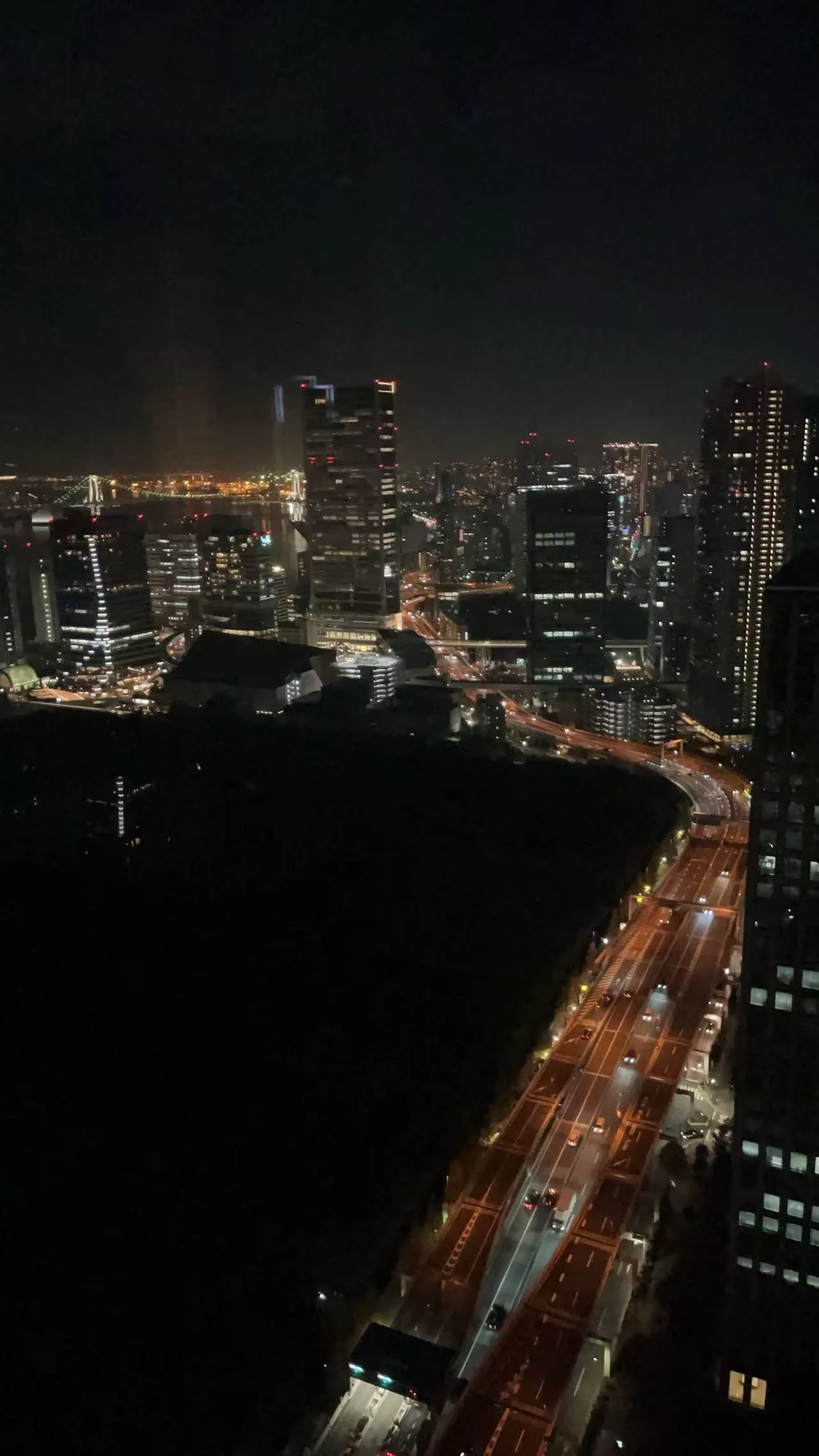
A high view across illuminated roads and dark water makes a fitting closing scene. Shiodome connects this guide with my Conrad Tokyo stay and Executive Lounge dining diary, giving readers a place to continue from sightseeing into a hotel evening.
Choose a room or restaurant for its actual outlook and access conditions. The bay panorama here is not assigned to an unconfirmed room or venue. If staying elsewhere, finish the trip in the neighbourhood that works for your return journey.